
Lessons at 40
On feeding curiosity, collecting people, and ignoring the advice to "stay focused"

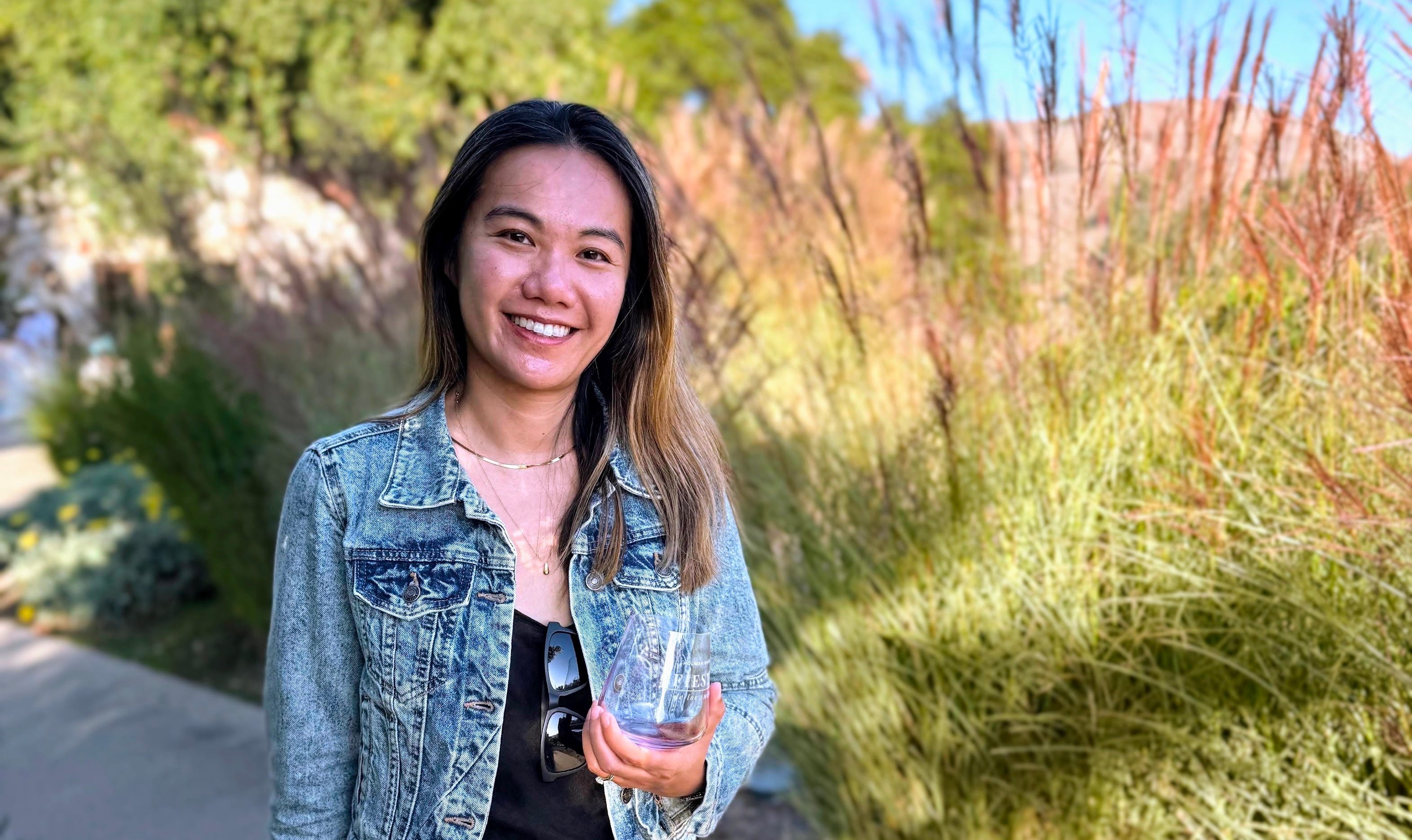
I turned 40 this summer. Here are eight lessons I wish I’d learned sooner—most of them about how the general wisdom isn’t always right.
1. Feed your hobbies and curiosity.
Younger Ada: Stay focused on the productive, don’t get distracted by hobbies
All through my younger life, I had a mantra: “Don’t be lazy.”
Hobbies were guilty pleasures. As a child, I built websites, played text-based MUDs, and read my weight in sci-fi/fantasy books. I felt guilty when I did these things because it wasn’t a productive use of my time.
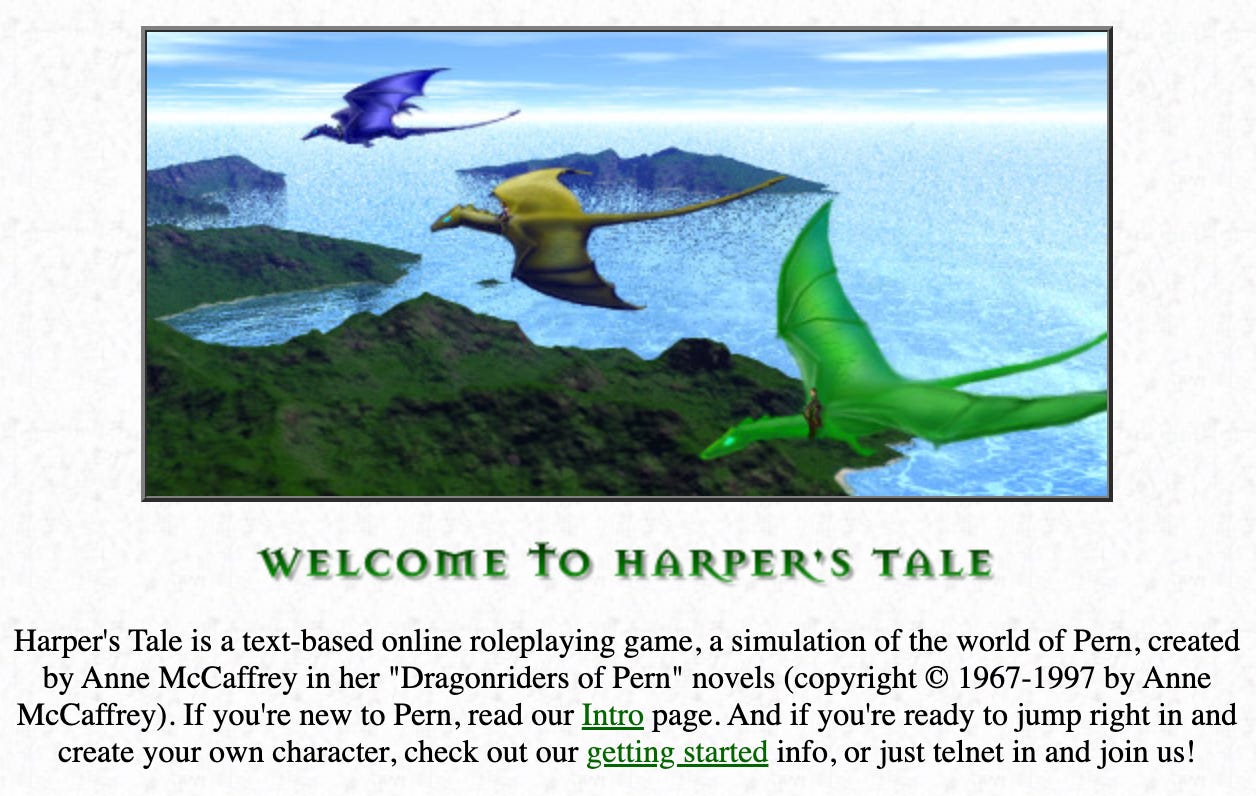
Those “unproductive” hours became my edge. Being tech-native from playing games differentiated me as a marketer in Silicon Valley. Deep reading made me a better communicator and faster learner. If an idea excites you, dig a little deeper. Indulging in curiosity was the winning move.
2. Be the one who sends the invite.
Younger Ada: Be in the right place at the right time
I spent my 20s waiting for invitations. Someone would invite me to something, I’d check my calendar, and say yes or no. Fully reactive.
I didn’t realize until later this meant I rarely got to spend time with the people I wanted to see.
The fix was obvious once I saw it: send the invite myself. Organizing gatherings can feel risky (what if no one shows up?), but the ROI is incredible. I get to spend time with people I actually want to see, and the quality of that time is far higher.
3. Work hard and aim well.
Younger Ada: Whatever you do, be excellent at it.
Being excellent is important, but not enough. It’s also important to be strategic in where you spend your time and effort.
Ask yourself: Where does this path go? Am I spending my time in the right place?
When I was trying to be excellent, it naturally predisposed me to work on things where the feedback loop is very clear. Things like getting good grades, certain companies, or awards. I didn’t ask myself what was at the end of the ladder. I was hungry and foolish, but not particularly thoughtful.
Now, I spend more time thinking about where to invest my time. What is the intersection of my interests and opportunity?
Aim for industries that are growing quickly, clusters of interesting people, or work that genuinely are genuinely exciting. Excellence matters most when it’s pointed in the right direction.
4. Prioritize finding a life partner early.
Younger Ada: Prioritize career over romance, you have your whole life to find someone.
I was lucky enough to find my partner Sachin early on in life. I met him at 18 in my freshman year dorm, and we had a tempestuous, drama-filled start. My friends unanimously counseled me to drop him like a hot potato, because I had my entire life to find someone else.
It probably wasn’t bad advice, but I was crazy about him and kept going. When I reflect back on my 20s, having Sachin gave me a superhuman edge. I got to focus on career and life without distraction. We worked 12 hour days next to each other. I also had a companion who has provided great insight, advice, and support along the way.
I watch friends now who deprioritized relationships in their 20s, thinking they’d “have time later.” We didn’t appreciate the compounding returns of a great partnership.
The advice isn’t “find your person at 18” but instead: when you find someone who energizes you, invest early. Don’t push relationships off until later.
5. People matter more than skills, accomplishments, etc. Collect great people.
Younger Ada: Friends are for fun, work is for work.
I used to treat people as a category of hobby: energizing but potentially distracting. I thought it would be best to put my head down at work, deliver excellent results, and focus on the measurable achievements.
Now I see that the people—former classmates, colleagues, neighbors—are the actual asset. Not because they’re accomplished, but because they’re the ones I can call for honest advice, inspiration, or just a fantastic conversation. The lesson here is to collect the interesting and wonderful people, because the skills I learned at each job became dated. The people didn’t.
My advice to a younger self is this: If you’re working in a job, do the opposite of put your head down and work. Spend time getting to know your colleagues.
6. Don’t sleep on fitness.
Younger Ada: I’ll work out later when I have time
I spent my childhood and 20s mostly sedentary. In my mid 20s, I ran my first 5K and felt simultaneously like my heart was exploding out of my chest and my legs were going to give out. I ran it in 35 minutes, I was not fast. Injured and tired, I went back to the couch after that. I simply did not understand this mythical runner’s high and I did not enjoy exercise.
It was not until my early 30s that I got more serious, worked with a trainer, and kept it up for several months. Over that time, I got to see how my body changed as I got faster and stronger. I even ran a half-marathon!
I didn’t understand until I experienced it: the level of mental clarity and energy that fitness unlocks. I also didn’t know that your teens and 20s are peak years for building muscle mass. I can’t get those years back, but I can stop delaying. Starting at 32 was better than starting at 40. Starting at 40 is better than 45.
7. Chart your own path
Younger Ada: Success follows a predictable path.
I used to believe that there was a golden path that many people follow: work hard, go to the right school, work at the right organizations, and end up with a satisfied and fulfilling life. A lot of this story looks like an aggregated blend of the profiles of successful people on LinkedIn.
That is a path, but not the only one. I worked hard early to build credibility and savings, which gave me permission to take risks. I left the tech executive track and took a more unconventional path to build companies, coach, and advise. I design my own schedule now and can say no to things that would have seemed mandatory at 25.
Working hard isn’t about staying on the path—it’s about earning the ability to leave it.
8. Take charge of the stories you tell yourself.
Younger Ada: I’m not a very good writer. I’m not an athlete. I’m not very creative.
For most of my life, I’ve believed these stories. Lately, I’ve been rewriting them.
I wasn’t a writer, but this post marks the completion of my self challenge to publish weekly for two months.
I wasn’t an athlete, but I now show up most days to run, hike or lift weights.
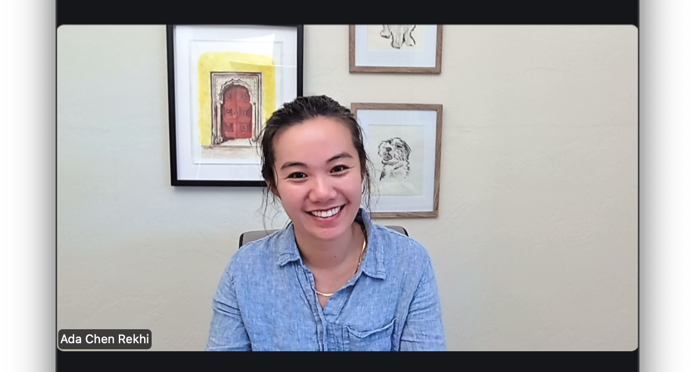
I wasn’t an artist, but I took a water color class and now my video background is the art that I’ve created for myself.
Don’t let the stories you tell yourself define you. On some level, my old stories were excuses. I can do the work to write a new story, and find ways to make it true.
Thanks for reading!
This is essay #8 in my series to conquer my fear of writing.
I love the art you created *for yourself*!! That single sentence was the best in this whole wonderful entry.